Churches we saw:
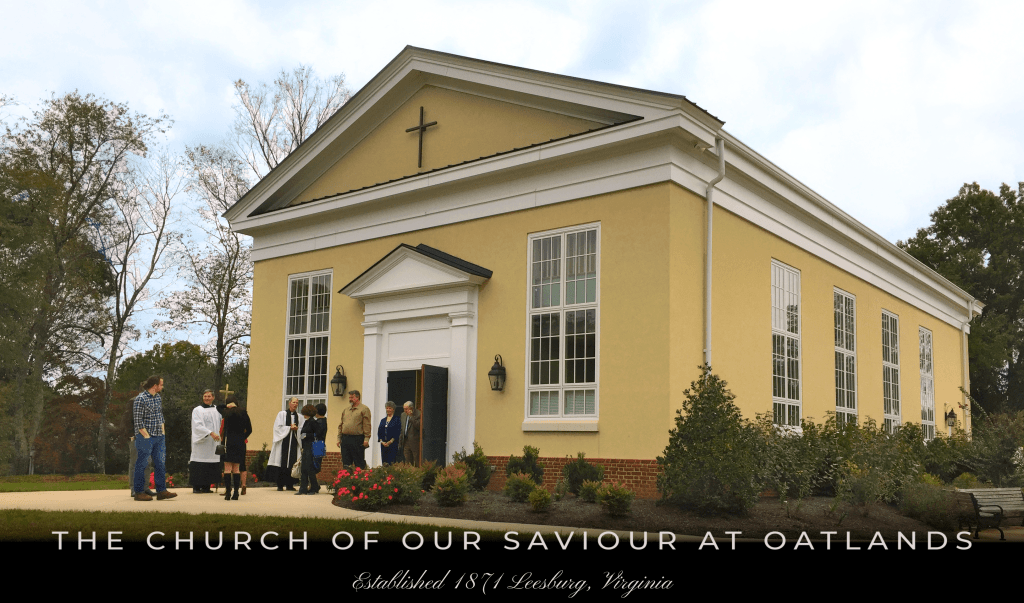
Church of Our Saviour, Oatlands.
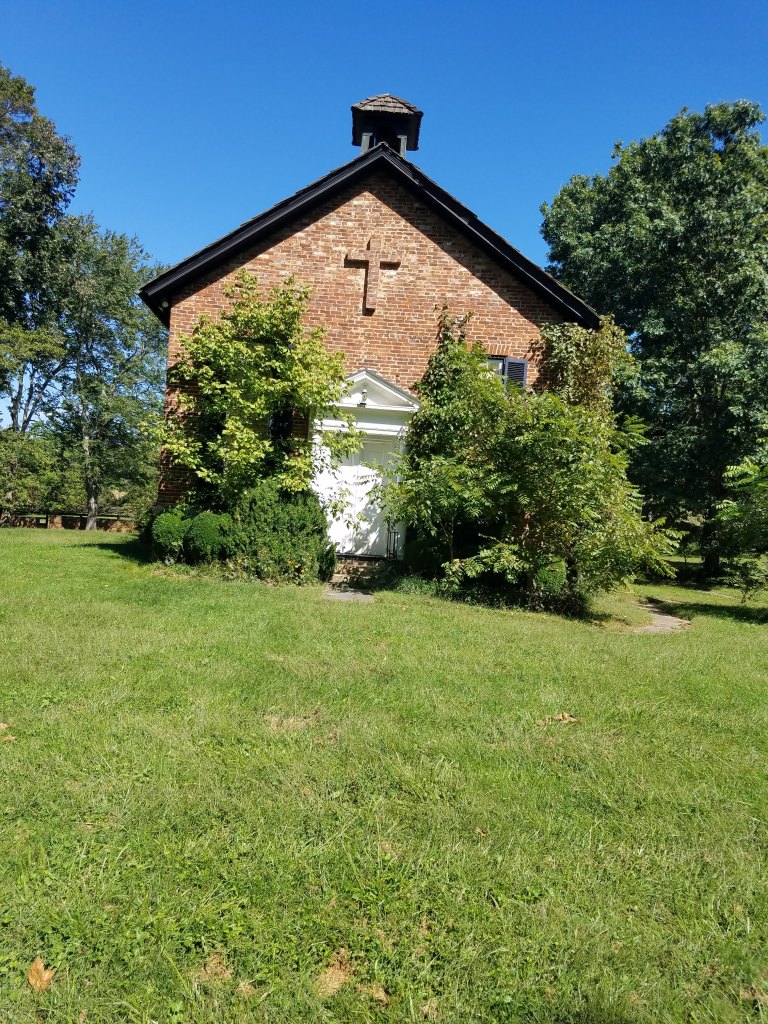
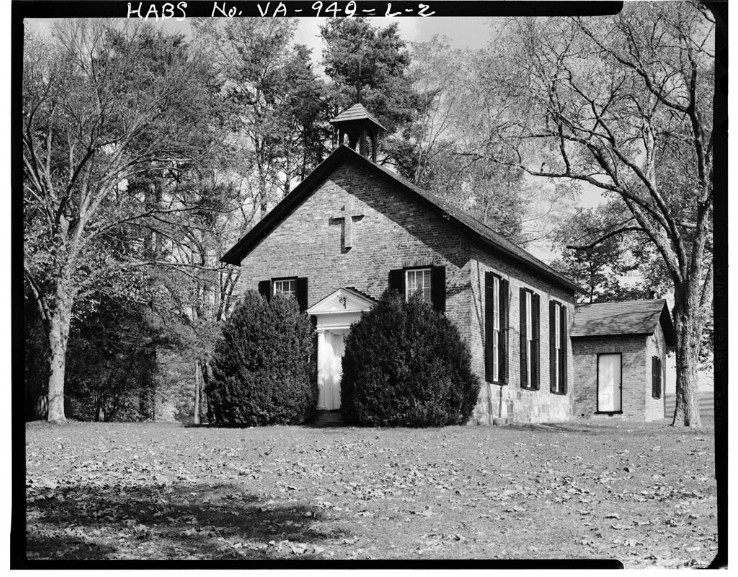
A small abandoned Church at 39924 Oatland Mills Road just off SR 615 with Cemetery. This brick Anglican church was erected in 1878, with a later frame parish hall adjacent.
An excerpt from an article from Loudoun Now explains why the Church was abandoned.
“One of Loudoun’s oldest congregations will be celebrating new beginnings Sunday when the cornerstone will be laid for its new church.
The Church of Our Saviour at Little Oatlands was forced to find a new home after the traditional and conservative parish broke away from the Episcopal Church on doctrinal and social disagreements, including the parish’s use of the 1928 Prayer Book, four years ago.
The congregation won’t be moving far, just 2 miles up Rt. 15 closer to Leesburg.”
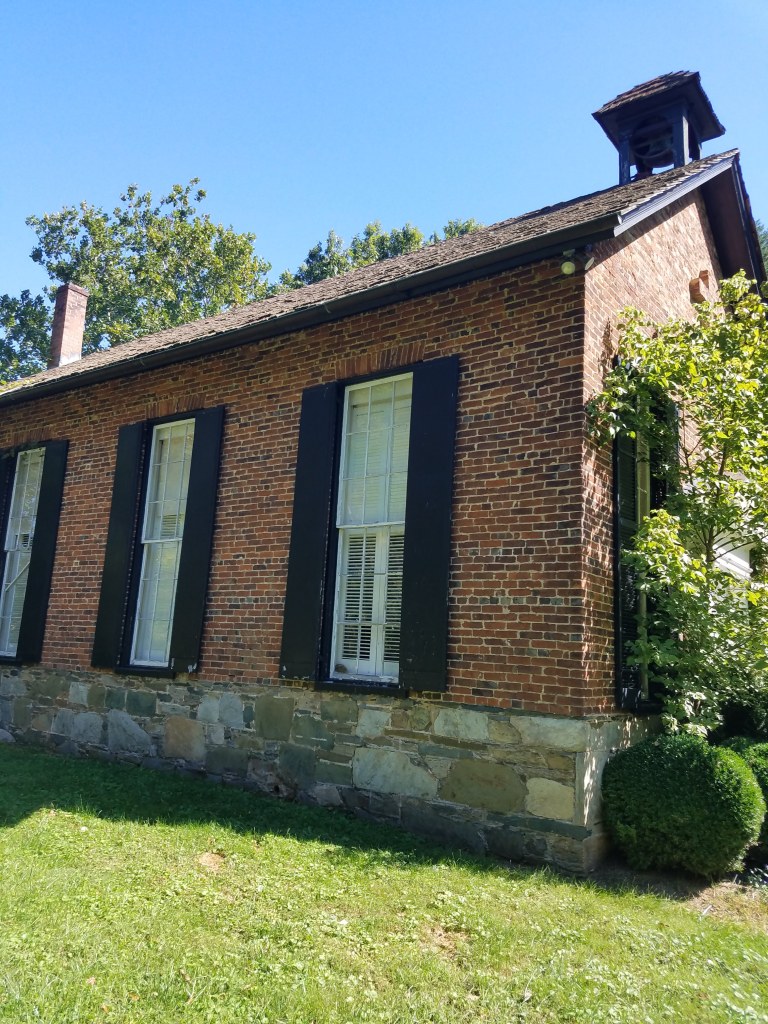
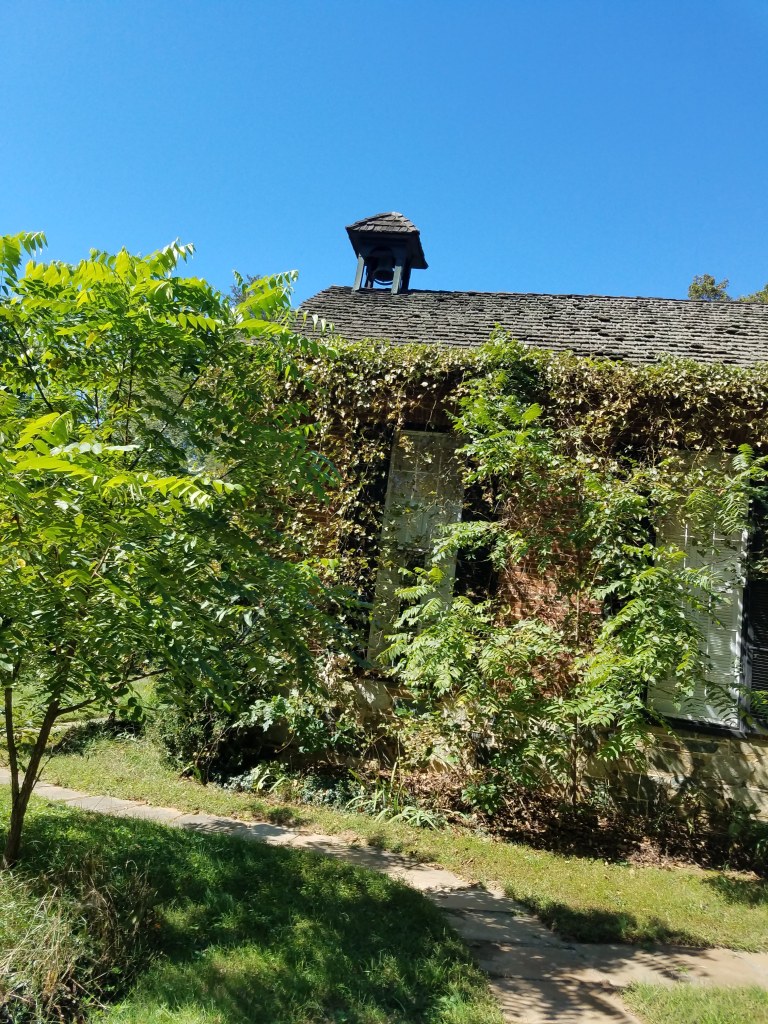
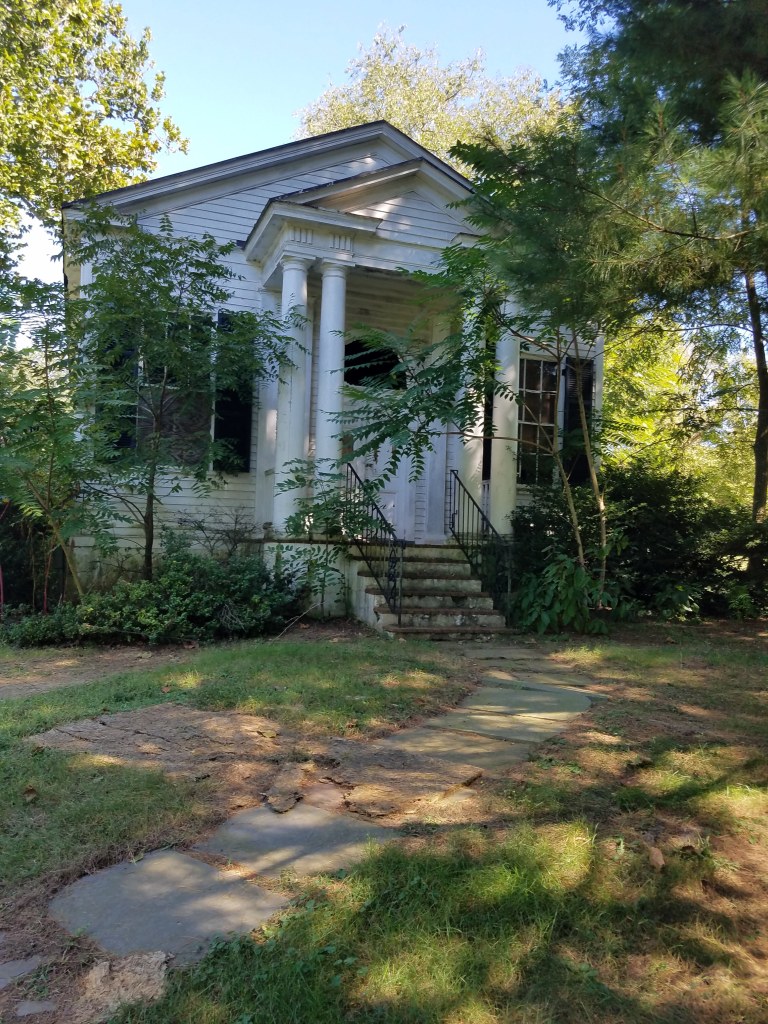
Pictured above and below is what we saw today after apparently it had been abandoned for a new Church building. The building on the right was the Parrish Hall.
Found this online when the buildings were still been used for services.

The following pictures were found in the Library of Congress Prints and Photographs Division. They were not dated.

Warren United Methodist Church
22625 Whites Ferry Road, Martinsburg MD
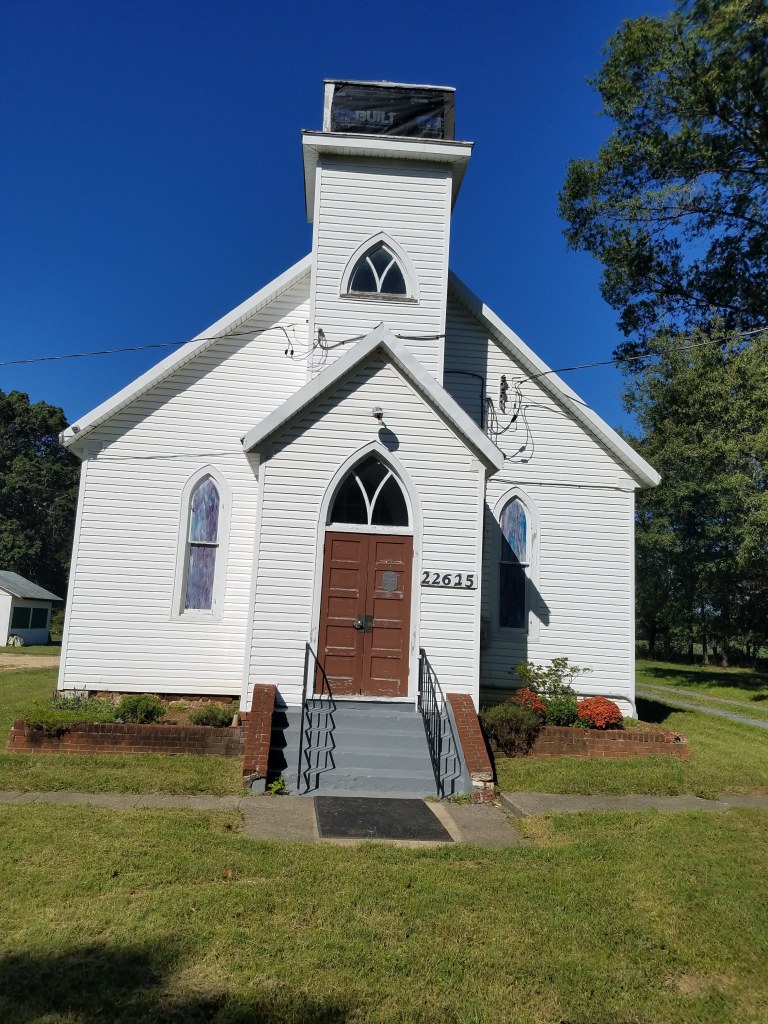
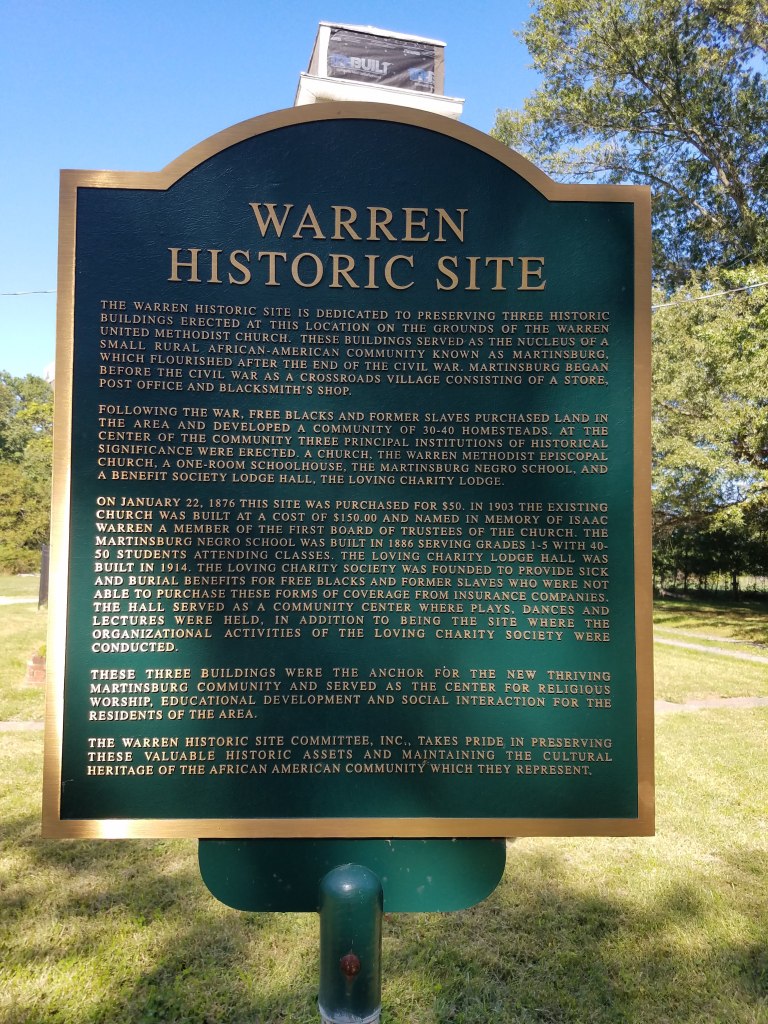
The Warren Historic Site is a significant historic enclave that was once the center of an African American community called Martinsburg. It is located on White’s Ferry Road in western Montgomery County, at the intersection of Martinsburg Road, and is the last such site in the state of Maryland to retain all three of the structures that were the heart of flourishing African American communities of the late-nineteenth/early-twentieth century.
The Warren Historic Site is a designated historic district comprising of three key structures, the Warren UM Church (built in 1903), the one-room Martinsburg Negro School (built in1886), and the Loving Charity Lodge Hall (built in 1914). These buildings comprise what was the nucleus for most African American communities founded in Maryland following the end of the Civil War through the beginning of the twentieth century. The Warren Site is the last in Maryland to retain all three structures. While the church and school continue to be used, the Loving Charity Hall is in a dilapidated condition and is currently on Maryland’s list of Endangered Sites. As Montgomery County grows, the demands on housing dictate replacing farms and historic structures with new housing and so we are losing what remains of the historic landscape. The Warren Historic Site Committee has worked to save this last vestige of a dying community that speaks to the resilience and determination of a people who, having started with nothing, managed to create a once thriving community.
Following the Civil War, Montgomery County’s formerly enslaved residents found themselves, for the first time, free to worship as they pleased and educate themselves. In Martinsburg, a small crossroads community that had been bi-racial before the Civil War with free and enslaved African Americans living and working side by side with white masters and farm laborers, the freedom to worship was acted on with speed. Warren was one of many churches established by these newly freed people creating a clear and identifiable nucleus for many African American communities. The Warren congregation was formed immediately following the Civil War and, by 1866, the first church structure had been built. The first church site, and where the cemetery is still located, is about a mile from where the Warren buildings stand today. The church was moved to its current location on rollers in 1876. The existing church building replaced that original building in 1903. Emancipation did not always mean freedom. Many blacks had, from need, remained working for the same people who had formerly enslaved them, being without the financial means to improve their situation or the skills. For them, these churches provided an anchor that African Americans could look to with pride as something they had created. Most of these early communities are gone, but some of the churches remain and can be seen today, named for communities that have disappeared, having been absorbed by development or lost as residents moved away for better opportunities.

Seneca Schoolhouse
16800 River Road, Poolesville, MD 20837
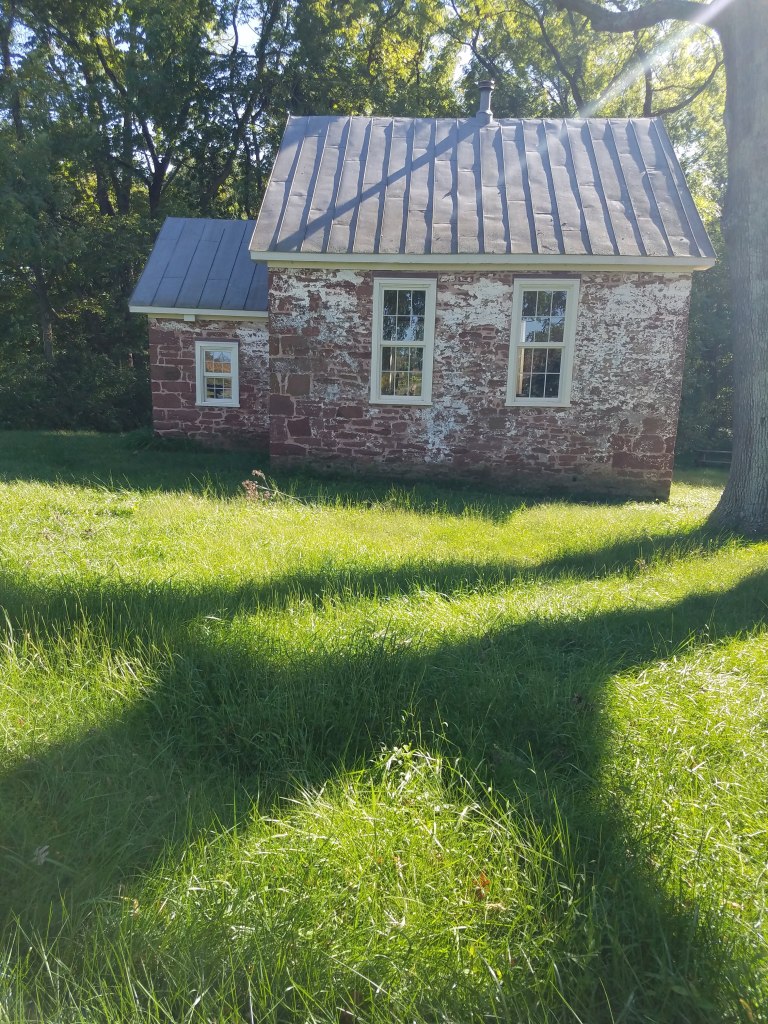
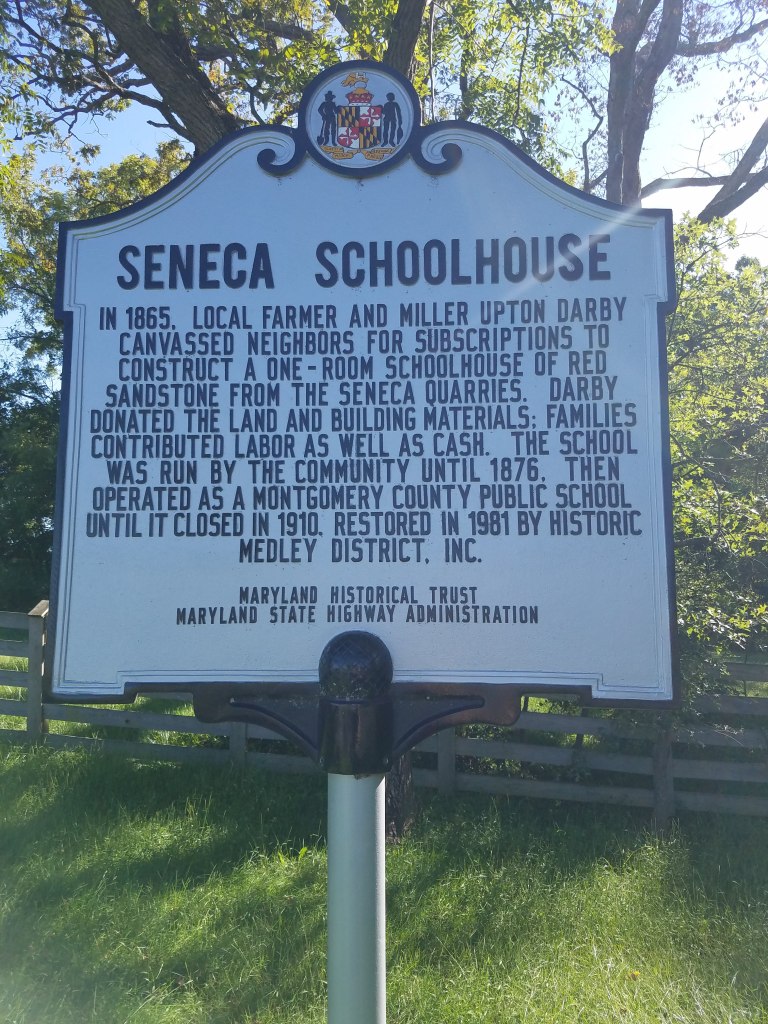
This Gallivant was taken by Mairi and Dave on September 20, 2020
 Mairi & Dave's Gallivant Through Virginia and About